
How Regina Rock Station 104.9 The Wolf Proved the Doubters Wrong for 30 Years

On a January morning in 1996, a guitar riff cut through the air over Regina.
Derek and the Dominoes' "Layla" came through the speakers at 104.9 FM for the first time. The Wolf had launched, and from that first song, the station made a choice: play rock music in Regina.
Thirty years later, the station is still making that same choice. Same format, same city, same commitment.
That persistence is rare. Rock radio stations across North America spent the past three decades softening their sound, flipping formats, or shutting down entirely.
The Wolf survived by doing the opposite: committing harder to rock when everyone else was backing away, staying local when consolidation made stations interchangeable, and treating the format as culture instead of background music.
The predictions were constant. MP3 players would kill radio. iTunes would kill radio. Streaming would definitely kill radio. Rock itself was declared dead repeatedly by grunge's implosion, by “alternative” becoming mainstream, by pop dominance, by hip-hop, by algorithms.
Through it all, The Wolf kept broadcasting and Regina kept listening.
What Happened When Rock Stations Stopped Believing In Rock?
During the late 1990s and 2000s, rock radio stations across North America all made the same moves.
They softened playlists to avoid alienating casual listeners. They replaced local hosts with syndicated shows that could run in any market. They let consultants homogenize their sound.
The results were predictable. Stations flipped programming, became softer, and major markets lost rock stations entirely.
By 2011, industry forums were filled with programmers asking if active rock was even viable anymore.
The problem wasn't the music. It was sameness.
When a Regina listener heard the same corporate playlist as someone in Toronto—the same Zeppelin rotation, the same Foo Fighters singles, the same voice-tracked DJ who could be anywhere—they weren't getting local radio. They were getting a worse version of Spotify.
Streaming offered more music, no commercials, and personalization. A rock station playing "Hotel California" in the same rotation as 200 other stations had nothing left to compete on.
When a rock station changed programming or shut down entirely, cities lost more than just an accessible genre of music. They lost the shared experience of thousands of people hearing the same song at the same moment and the common reference point that makes a place sound like itself.
The Wolf made a different choice: Sound like Regina, play rock that matters, use voices people recognize.
How The Wolf Stayed Relevant by Strengthening Its Identity
A Led Zeppelin deep cut on a Tuesday morning means something different when it comes from a station in your city versus an algorithm on your phone. One is a shared moment. The other is background music.
The Wolf has built 30 years on that difference.
The station has played classic rock and new rock together. Deep cuts alongside standards. Songs chosen by people who live in Regina for people who live in Regina. Not a playlist optimized by data scientists in another country.
Rock listeners respond to that commitment.
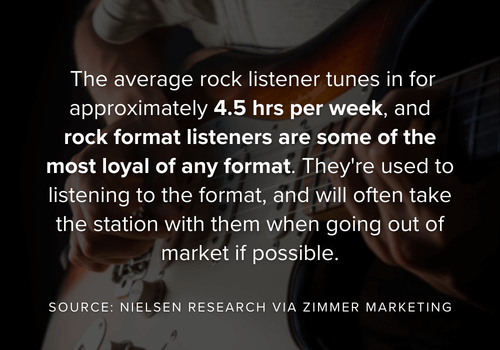
Nielsen research shows they're among the most loyal of any radio format—averaging 4.5 hours of listening per week. They download station apps to stay connected when they travel. They stick with stations that take the music seriously.
The Wolf put that commitment on the air every day through voices Regina recognizes:

Chad McDonald and Evan Baran wake Regina up every weekday with the kind of chemistry listeners describe as "just 2 real guys doing what they do best." Their morning show balances sharp humor with real conversation, turning the daily commute into entertainment that keeps the city engaged.

Sean McEwan brings years of radio experience to the midday shift, keeping energy steady through the workday without overwhelming it. His approach offers the right balance for listeners who want company while staying focused on what's in front of them.
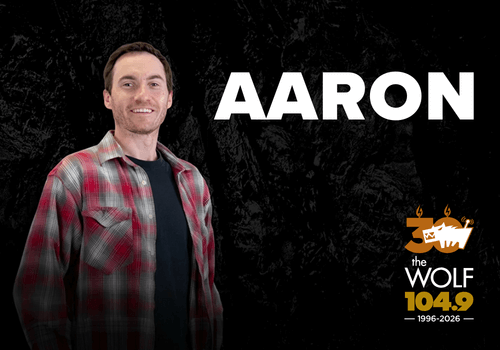
Aaron Harle, a Regina local, guides afternoon drive with a friendly voice and quirky sense of humor that makes the commute home feel less like routine. Aaron represents The Wolf's commitment to voices rooted in the community.
Canada's Medium Market Station of the Year
In 2017, that local devotion was recognized nationally.
The Wolf was named Canada's Medium Market Station of the Year after 21 years of doing the same thing: Play rock in Regina, use local voices, stay committed.
By then, the station had outlasted multiple waves of consultants telling rock radio to soften, survived the streaming revolution that was supposed to kill local radio, and built an audience that showed up every day.
The award wasn't a surprise to Regina. The Wolf had become the place to hear about shows before tickets sold out, discover what new albums mattered, and hear deep cuts that wouldn't surface on an algorithm.
But winning nationally proved something beyond what Regina already knew. Focus works. Stations chasing broader audiences diluted themselves into irrelevance. The Wolf committed to what its community wanted to hear, and the audience responded.
That’s not to suggest a sense of stagnation. The genre keeps evolving. New bands are added, playlists shift as rock changes, the station adapts as technology makes streaming and apps possible.
But The Wolf’s mission never changes: provide the people of Regina with music and voices they can trust.
What The Wolf Does That Streaming Can’t
The Wolf promotes concerts, gives local bands airplay, and keeps Regina's rock scene connected. A touring act books Regina, the station tells listeners. A local band records new material, the station plays it.
Streaming platforms don't announce Regina shows. They don't play local artists who haven't hit algorithms yet. They don't provide context on why an album matters or why a show is worth seeing.
The Wolf does because it exists in Regina, not in a data center.
That approach reflects Harvard Media's broader commitment across its radio stations: serve the community you're in, use voices people know, build something local that matters.
The Wolf is one station in a network built on that principle. Thirty years proves it works.
New fans discovering rock and longtime listeners turn to the same station. That continuity builds the shared reference points that make a city's music scene feel coherent instead of fragmented.
What the Next 30 Years Will Sound Like on The Wolf
The Wolf launched in 1996 playing rock music in Regina.
Thirty years later, the station is still doing exactly that. It’s not because the format froze in place, but because the commitment to serving Regina's rock audience never wavered.
Streaming changed how people access music. Technology changed how stations broadcast. But the need for a local voice that brings a city together around the same signal hasn't gone anywhere.
If anything, it matters more as everything else fragments.
The Wolf is still here because Regina still listens. Tune in at 104.9 or listen online.


